What GPS Tracked Patrol Rounds Actually Record
October 10, 2026
QUICK ANSWER: A GPS tracked patrol round records the officer's identity, the start and end time of the round, a timestamped position at each checkpoint, the order the checkpoints were visited, and how long the officer stayed at each one. Most systems also capture photographs, written observations, incident entries and any checkpoint that was missed or late. The point is proof: a record that shows who was where, when, and what they found. Because GPS alone can drift near buildings, strong programs pair satellite positions with scanned tags at the doors and gates that matter most.
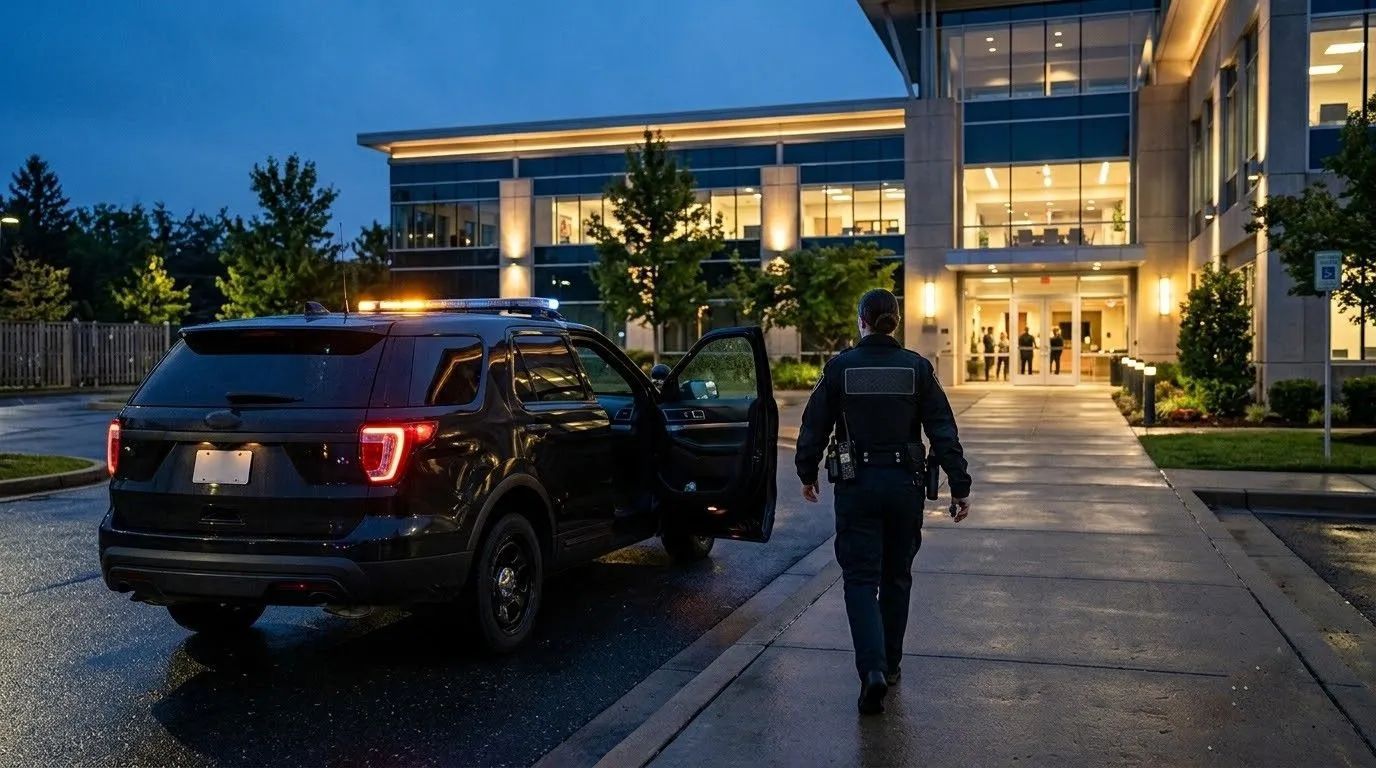
It is 2:40 in the morning at a business park off Highway 50, and the manager of the building is asleep across town. A marked patrol vehicle rolls in, the officer steps out, and a phone at the officer's belt starts collecting facts. The time of arrival. The position of the vehicle. The scan at the rear gate. A photo of a door that was found propped open. By the time the manager wakes up, those facts are already sitting in a report, in order, with nothing left to guess about.
That report is what a GPS tracked patrol really sells. Anyone can say a property was checked. A record shows it. This article walks through what the data actually contains, how an officer produces it, where the technology has limits, and how to read a patrol report so you can tell a real round from a drive by.
What a Patrol Record Contains From Start to Finish
A round begins with a log in and ends with a closing entry, and everything between those two points becomes part of the record. Think of it as a short story told in timestamps.
The Opening Entry
The officer signs into a registered device, selects the property and route, then starts the round. This creates a timestamp linking the named officer to the site.
The Path And Position Trail
During the round, the device records positions at intervals. Reports display the route as a map or timestamped list, showing stops, travel order, and timing.
The Checkpoint Events
Each checkpoint scan records its name, time, and location. Routes can include perimeter gates, stairwells, loading docks, utility rooms, and trash enclosures for accountability.
Duration At Each Stop
The system records arrival and subsequent checkpoint times, showing how long officers remain at locations. This distinguishes thorough inspections from brief passes through a property.
Photographs And Notes
Officers can attach photographs documenting damaged fencing, failed lights, leaks, graffiti, or faulty gates. Written notes add context, including contacts made and actions taken afterward.
The Closing Entry
The officer ends the round, allowing the system to compile records. Most platforms also flag skipped checkpoints, late scans, missed locations, and other exceptions.
How the Technology Works Behind the Scenes
It helps to know what each layer of the system does, because each one answers a different question.
GPS Answers Where
GPS uses satellite signals to estimate a device's position. Under open sky, smartphones can often locate within several meters, but buildings, bridges, and trees reduce accuracy, making GPS a useful guide rather than exact proof.
Checkpoint Tags Answer Whether The Officer Was Really There
Checkpoint tags provide closer proof of presence. NFC requires tapping within a few centimeters, while QR codes and barcodes require scanning. Unlike GPS, these methods confirm the officer reached a specific marked location.
Timestamps Answer When
Every scan, photograph, and note records a time from the device and system. These timestamps create a chronological record, making it harder to quietly change when an inspection, observation, or checkpoint visit occurred.
The Cloud Answers Who Can See It
Records synchronize with a central dashboard where supervisors can review patrols and exceptions. If an officer falls behind or misses checkpoints, alerts can appear during the shift, while offline entries can upload after connectivity returns.
TIP: When you review a patrol report, read the time between scans, not just the scans. A building with twelve checkpoints scanned two minutes apart tells a very different story from the same twelve scans spread over thirty minutes of actual walking.
What a Good Patrol Report Looks Like
Raw data is only useful when it is organized. A patrol report that arrives after each shift should let a busy property manager answer five questions in under a minute.
Did the round happen?
The report should show the start and end time of each visit and the officer who made it. For a property that has a contract for two to four visits a night, you should see two to four distinct rounds, not one long entry.
Did the officer cover everything?
The checklist of checkpoints should show completed, missed and late items. A missed checkpoint is not automatically a failure. A locked gate, a blocked road or a device that lost power can explain it. What matters is that the report says so, and that the note beside it explains why.
Was anything found?
Findings belong in their own section with a category, a time, a location, a photograph and a short description. Open doors, failed lighting, broken glass, signs of someone sleeping in a stairwell, a vehicle left on the property after closing. If nothing was found, a clean report should say that plainly.
What was done about it?
A useful entry includes the action taken. The officer secured the door, contacted the manager, notified the responsible party, or logged the item for maintenance. An observation with no follow through is just a complaint.
Does the pattern make sense?
Over a week, the visit times should vary. A report that shows arrivals at 11:00, 1:00 and 3:00 every single night has told anyone watching how to time the property. Randomized scheduling is one of the main reasons a patrol is worth buying, and the records are how you confirm it is happening.
Where GPS Data Falls Short and How Programs Make Up for It
No tracking system sees everything, and the honest limits are worth knowing before you rely on any single data point.
Buildings And Structures Weaken The Signal
Tall buildings can reflect satellite signals, while basements, stairwells, and garages block reception. GPS positions may drift or disappear, making checkpoint tags more dependable for confirming exact presence.
A Position Is Not An Action
GPS shows where a phone was located, not what the officer did there. Photos, notes, and checkpoint tasks confirm actions such as securing doors, gates, and lighting.
Devices Can Fail
Batteries die, signals disappear, and apps can crash. Systems that store entries offline and synchronize later preserve records, while reports should identify unavailable GPS and backup verification methods.
Data Does Not Replace Judgment
A report can confirm every checkpoint was scanned while missing problems requiring human observation. Clear officer notes provide context and details that sensors cannot capture.
WARNING: Do not treat a map trail alone as proof of a thorough patrol. A vehicle that drives past a property at speed leaves a clean looking trail, but only scanned checkpoints, photographs and written findings show that someone got out and looked.
How Randomization and Documentation Work Together
Tracking tells you what happened. Scheduling decides whether what happened is worth anything.
Why Predictable Rounds Fail
Anyone targeting a property can study its routine. If patrols arrive at the same time nightly, predictable schedules may reveal when the property receives regular security coverage.
How Variation Shows Up In The Data
Randomized rounds change arrival times, approach directions, and checkpoint order. Digital records show this variation across visits, making consistent patterns easier to identify and adjust.
Why Routes Need To Cover Multiple Sites
One route can cover several properties in a night. Reports show arrival times, departure times, and time spent at each location, helping managers compare coverage.
Seasonal Changes
Risk can change with construction, holiday closures, vandalism, or vacancies. Patrol records help managers increase or reduce visit frequency based on documented conditions and observed patterns.
Using Patrol Records to Make Better Decisions
A report that sits unread is wasted. A few habits make the data work for you.
Look For Repeat Findings
If the same door is repeatedly found unlatched, the issue may involve maintenance or staffing. Repeated findings also reveal where lighting, locks, fencing, or other repairs need attention.
Compare Reports Against Incidents
When an incident occurs, review reports from that night and previous days. Records show when officers visited, what they observed, and whether conditions had changed.
Share The Pattern With The Right People
Property managers, owners, lenders, and insurers may need documented information about property conditions. Patrol records provide a useful log, especially for vacant or seasonal properties.
Review The Format With Your Provider
Ask how checkpoints are verified, how missed scans are flagged, how long records remain available, and when reports arrive. Professional providers should explain these processes clearly.
What to Ask Before You Trust a Patrol Report
Not every report is built the same way, and a handful of questions will tell you quickly how much weight to give one.
How is presence verified at each checkpoint?
You want to hear that officers scan something physical at each stop, not just that a phone shows a position near the property.
What happens when a checkpoint is missed?
The answer should include a flag on the report, a note from the officer and, for repeated misses, a conversation with a supervisor.
Are photographs part of the routine?
Pictures belong with any finding and with any condition that could matter later, such as a gate left open or a light that failed.
Who sees the data and how fast?
A report that arrives the next morning is normal. An urgent finding, such as an open door on a vacant building, should reach you during the shift.
Can the schedule be changed?
A route should be adjustable when your risk changes, whether that means a new tenant, a construction phase or a stretch of incidents in the area. Good providers expect the question and welcome it.
Frequently Asked Questions
What does a GPS tracked security patrol record on each visit?
Each visit records the officer, the site, the start and end times, and a timestamped position at every checkpoint. Systems also log time at each stop, missed or late checkpoints, photographs, and written findings.
How accurate is the location data in a patrol report?
A smartphone is typically accurate to within about five meters under open sky, though accuracy worsens near buildings and trees. That suits yards and lots, so many programs add scanned tags at key doors and gates.
Can an officer fake a patrol on a GPS system?
GPS alone is easier to question, since it only shows where the phone was. Tags tapped up close, timestamps, photographs, and supervisor review of scan intervals make a false round very hard to build.
How soon after a shift can I see the patrol report?
Many providers deliver a report after every shift, so you can read it the next morning. Urgent findings, such as an open door or a break in, should reach you sooner. Set timing expectations before patrols begin.
Does GPS tracking replace a stationed officer?
No. Tracking verifies and documents work but does not change a property's coverage needs. Busy sites often need a posted officer, while vacant buildings and storage yards are often well served by randomized patrols.
What should I do with patrol reports once I have them?
Read the findings first, then check for missed or late checkpoints and confirm visit times vary. Pass maintenance items along, keep reports on file, and address repeat findings at their cause instead of waiting.
Turning Patrol Data Into Real Peace of Mind
A patrol is only as useful as the proof behind it. When you can see the arrival, the walk, the scan, the photo, and the note, the quiet hours at your property stop being a mystery. You know what was checked, what was found, and what happened next. Reading the reports with attention to missed checkpoints, varied visit times, and repeat findings lets you adjust the plan based on facts instead of worry, and that is where the records earn their value.
Event Security Specialists
in Sacramento, CA, brings 25+ years of industry experience to building routes that pair satellite tracking with scanned checkpoints and honest written findings. Randomized timing keeps a property unpredictable, and clear reports show that the work really happened. No sensor replaces a trained officer who looks closely and explains what was seen. Together, the data and the observations give owners and managers a dependable account of every night their property sat unattended.